Click here for a list of past participants

Jacob D. Richter (he-him-his) is Assistant Director of First Year Composition and a PhD candidate in the Rhetorics, Communication and Information Design (RCID) program at Clemson University. Jacob’s research has appeared in Computes & Composition, Convergence: The International Journal of Research Into New Media Technologies, Prompt: A Journal of Academic Writing Assignments, and Textshop Experiments. He teaches First Year Composition, technical communication, and business communication courses, and is the Assistant Communications Editor for Xchanges. Jacob’s research examines rhetorical theory, composition pedagogy, and writing in digitally networked environments. He may be reached on Twitter at @Richter_Rhetor.
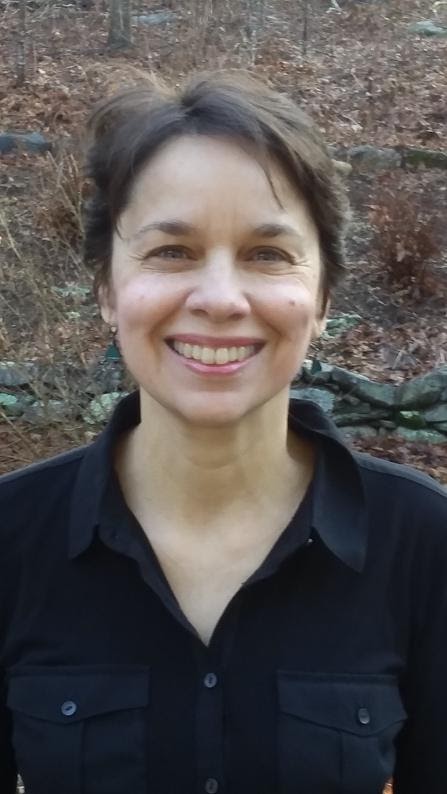
Lisa Lebduska (she, her, hers; Twitter @ lisalebduska) is Professor of English and Director of College Writing at Wheaton College in Norton, Massachusetts. She has written essays on such topics as emojis; visual rhetoric in the George Zimmerman trial; and the environment. “Confessions in Canyonlands,” her most recent essay, is forthcoming from Hamilton Stone Review this fall. She’s working on a book about rhetorics of the heart. Lisa would like to learn about bringing digital composing to WAC (Writing Across the Curriculum), including her own writing, and how best to integrate visual and traditional writing into a single course. And comics. And how to plan out a born digital book. And how to manage and or coach phone composing, when the one time it would come in handy to be all-thumbs, you aren’t. She attended Computers in Writing Intensive Classrooms a mere twenty years ago and knows she needs a refresh.
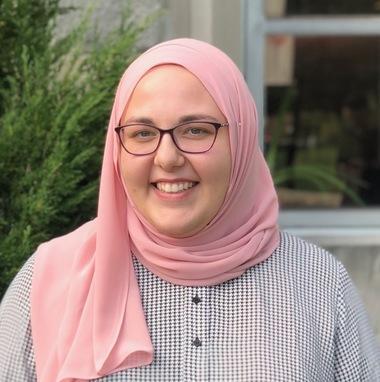
Tamara Issak
Pronouns: she/her/hers
I am an assistant professor at St. John’s University in Queens, New York. I teach first-year writing classes, and I love working with students on a range of digital media assignments. I hope to develop my understanding and skills in DMAC. I am an avid public radio and podcast listener. Many years ago, I was a contributing host and producer of a radio show and also contributed to a rhetcomp-focused podcast. I am a mom of two kids ages 3 and 6 so you might see them pop in and out of our meetings. I am excited to participate in DMAC this year and to learn from/with all of you.
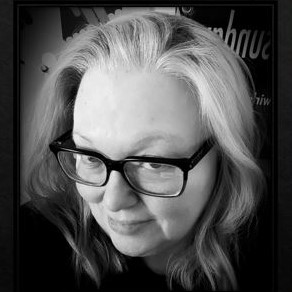
Ruby Nancy (she/her) is an Assistant Professor of Business Communication in the Labovitz School of Business and Economics at University of Minnesota Duluth. Her research interests are, like her, both queer and feminist: they include the rhetorics of adornment and the intersections of identities with the use of genre-fluid rhetorical strategies in professional and activist spaces. Currently her focus is on teaching, and she spends a significant amount of time thinking about how rhetorical contexts in business and in the university impact the experiences and opportunities of her students. Equity and #RhetKindness are at the heart of her teaching philosophy. Participating in the 2021 DMAC Institute offers the opportunity for skill-building that can shape future assignments as well as publications that center digital communication modes.
Before becoming an academic, Ruby has experience as an entertainment producer, a parenting skills mentor, an entrepreneur, a journalist, a clergyperson, and an activist. One of her favorite previous careers was as a theater critic, and—like most of her endeavors—it involved some of her favorite things: meeting new people, seeing new things, writing a lot, and having opinions.
She also loves reading, coffee, jewelry, singing, travel, chocolate, and collecting art, women’s biographies and autobiographies, and shoes.
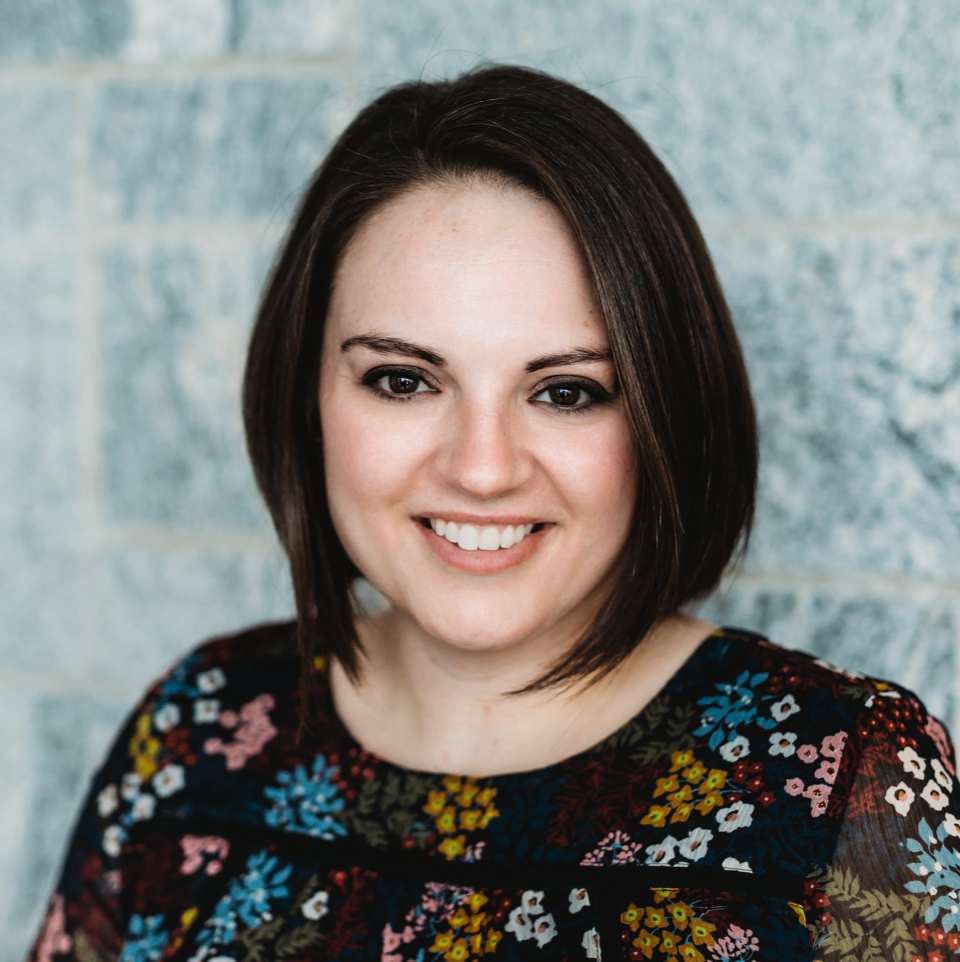
Luciana Herman (she/her/hers) is a PhD student in Rhetoric and Composition at the University of Texas at El Paso (UTEP). Her research interests include cultural and digital rhetorics, literacy studies, technical communication, and user experience. Her dissertation research is directed toward patient literacy and experience in navigating healthcare spaces (physical and virtual). Luciana teaches First-Year Composition and Technical and Workplace Writing at UTEP, as well as serves as an editor in various capacities. She is excited about the DMAC experience and is looking to deepen not only her digital composition skills, but also to consider the processes by which we (as a collective) engage with digital media.
Christopher Iverson (he, him, his) is an Assistant Professor of English in the English and
Humanities Department at Farmingdale State College. His research mainly focuses on
community engagement and service-learning in composition classrooms. After the COVID-19
pandemic made public spaces more dangerous, Chris’ research interests have shifted to digital pedagogies as a way to make community engagement safer for students and community partners. Chris is attending DMAC to learn more about how to compose digitally as an instructor and scholar, as well as to gain knowledge of digital rhetoric to help create more welcoming and intuitive online learning spaces.
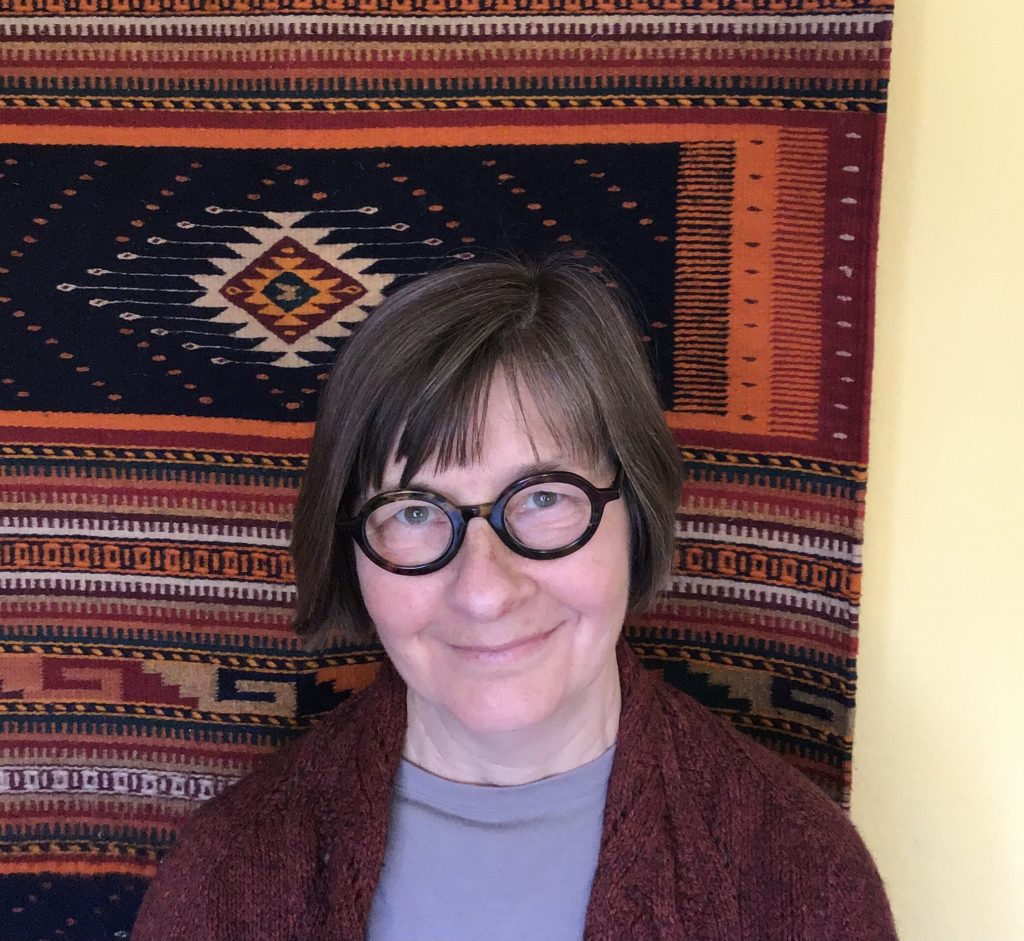
Marianne Ahokas is an adjunct faculty member at Humboldt State University in Arcata, California, where she teaches courses in composition and the English major. Her research interests include the ideological dimensions of genre and the disciplinary conventions of literary studies. She’s interested in learning how to incorporate digital composing in her courses, particularly her first-year composition classes.

I’m Kelly Belanger (she/her), and I direct the University Writing Program at Valparaiso University (Indiana) where I also teach courses including writing for the health professions; grammar, editing, and style; and first-year experience/humanities. My PhD is from OSU, 1992, so I’m looking forward to again being a OSU student via DMAC and learning more about digital composing. an area just in its infancy when I got my degree. I want to learn more about digital composition to best serve students and faculty through our writing across the disciplines program and in our English Department’s major and minor in Professional and Public Writing.
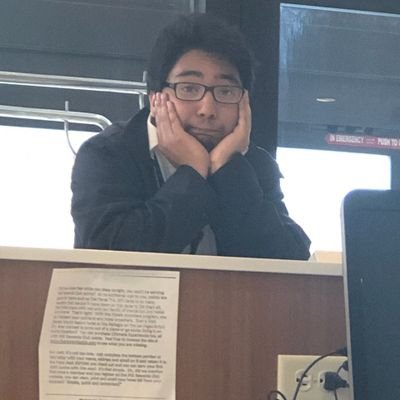
Eduardo Mabilog (he/him/his) is a first year MA/PhD student in Rhetoric, Composition and Literacy at the Ohio State University. His research interests range in topics related to writing centers, anti-racism, translanguaging/codemeshing, and disability studies. Some of his past research and work has involved incorporating letter writing in the composition classroom and writing center to support translanguaging practices and audience consideration, conducting anti-racist writing center workshops, and mapping writing center conferences historical attendance. At the moment his current projects involve investigating the labor and navigational process of tutors engaging with moments related to race and racism in the writing center, recounting hostile conference experiences and the power dynamics involved for marginalized individuals, and evaluating the citation practices of citing scholars of color in basic writing scholarship. He is interested in attending DMAC to continue to learn from other’s perspectives and experiences and to consider how digital media can be a transformative space to (re)evaluate the negotiations that take place in the writing process. His photo shows him (a brown male with short black hair) standing over a counter with his head resting in his hands as he looks to the camera.

Kim Lacey (she/her/hers) is an Associate Professor of English at Saginaw Valley State University where she mainly teaches courses in the First Year Writing program. Her research interests include creativity, digital humanities, and artificial intelligence. She’s completing her first book, Creative Futures: Robot Picassos, Fake Friends, and Other Sneaky Ways Technology Acts Creatively, under contract with Lexington Books. Kim is attending DMAC to gain some new skills she can incorporate into her classes to better equip her students for the different ways we compose
Kristina Reardon (she/her/hers) is Associate Director of the Center for Writing at the College of the Holy Cross, in Worcester, MA, where she teaches courses, directs the Writer’s Workshop (a peer tutoring center), and provides faculty support for writing across the curriculum. She teaches courses on human rights and racial justice in digital writing and is particularly invested in teaching long-form narrative podcasting, from rhetorical analysis to students’ own forays into audio storytelling. She is currently designing ways to adapt online learning tools and digital writing into writing center sessions and is thinking about how faculty support might transition from primarily in-person sessions to digitally enhanced modes.

My name is Liliana Perez Rodriguez (she/her/hers) and I am a first-year MA/PhD student in Rhetoric, Composition, and Literacy at Ohio State. This is my first time participating in DMAC and I am looking forward to learning more about digital compositions in preparation for teaching first-year writing this fall at OSU. My past experience includes working with writing centers and youth media centers, and I am currently interested in researching multilingual literacies and antiracist pedagogies. Although I enjoy Columbus, I am originally from Fresno, California, and in my free time, I enjoy making clay earrings, watching films, and caring for my dog.
Felicita Arzu Carmichael (she/her/ella) is assistant professor of writing and rhetoric at Oakland University where she teaches rhetorics of race and ethnicity, contemporary issues in writing studies, and first-year writing. Her research and teaching interests include composition theory and pedagogy, technical writing, place-embodiment studies, and social justice and inclusion. Felicita is attending DMAC because she is interested in learning strategies for effectively engaging composition students who might have limited digital literacy and to use free and open-source audio and image editing software to support students in advanced writing courses.
Alfred Owusu-Ansah (he/him/his) is a PhD student at the Department of Humanities at Michigan Technological University. His PhD research seeks to argue for a broader understanding of literacy-in-action by advancing a posthuman pedagogy for writing and programming. He is also a Graduate Research Assistant on an NSF-RIEF funded project that seeks to understand what motivates engineering faculty to adopt and teach new programming languages and other technologies. For him, DMAC presents an opportunity to meet and learn from colleagues and established scholars in digital composition. He also believes that it would be a safe place for him to try out new teaching resources that should aid him in his drive to make the acquisition of digital and computational literacies more just.
Grant Bain (he/him/his) is an Instructor and First Year Composition Administrator in the department of English at Colorado State University. As a composition administrator, Grant is involved in developing curriculum for CSU’s first-year composition course. He is attending DMAC in order to design accessible digital assignments which would provide first-year composition students with experience in adapting their writing to new rhetorical situations while also introducing them to forms of composition they are likely to encounter in upper-level coursework and in professional rhetorical situations.
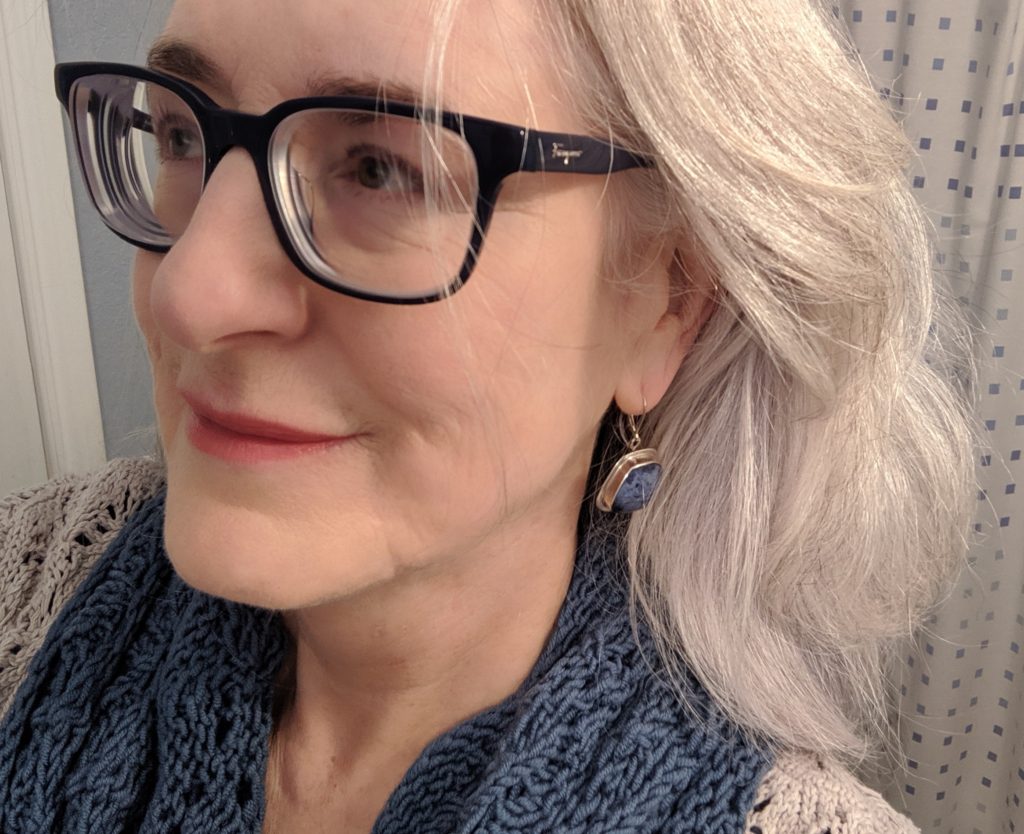
Erin M. Sullivan (she/her/hers) is a lecturer at Humboldt State University teaching Composition and Rhetoric courses in the English Department since 1998. Many of her first-year courses are taught in conjunction with an extensive place-based STEM learning communities program that emphasizes immersion in the unique ecosystems and cultures of Humboldt County, California. She is incorporating and assigning more digital and multimodal texts within her courses and is looking forward to new training opportunities and resources at DMAC.

Tawny LeBouef Tullia (she/her/hers) Associate Professor, was born and raised in very south Louisiana. She studied as an artist (working primarily in analog darkroom photography) to earn her B.F.A. from the University of Louisiana at Lafayette. Tawny earned her Ph.D. in Rhetoric at Texas Woman’s University. She studies sport and rhetoric at the intersections of race and gender; building community in the classroom and professional spaces; and the affect intuitions (connaissance and conocimiento) have on our becoming(s). Her research has been published in collaborative works like “Turning Resistances into Engagement” On Teacher Neutrality: Politics, Praxis, Performativity (Utah State University Press) (in collaboration with Dr. Erika Johnson). Her research expertise include critical theory and race; rhetoric, sport, and gender studies; philosophies of becoming; and affect theory. Tawny teaches in Christian Brothers University’s English for Corporate Communications program and serves as the Writing Program Administrator at the institution. She also serves the university as a co-chair of the university’s Commission for Social Justice.
I am interested in digital composing and DMAC to learn how and when to offer our students access to multimodal, digital composing, and alternative (read mainstream) ways of expressing thought, themselves, and their community (whatever that may mean to them). I will offer what I learn during DMAC to my colleagues. I also seek to consider digital composing in dialogue with antiracist pedagogies and practices.
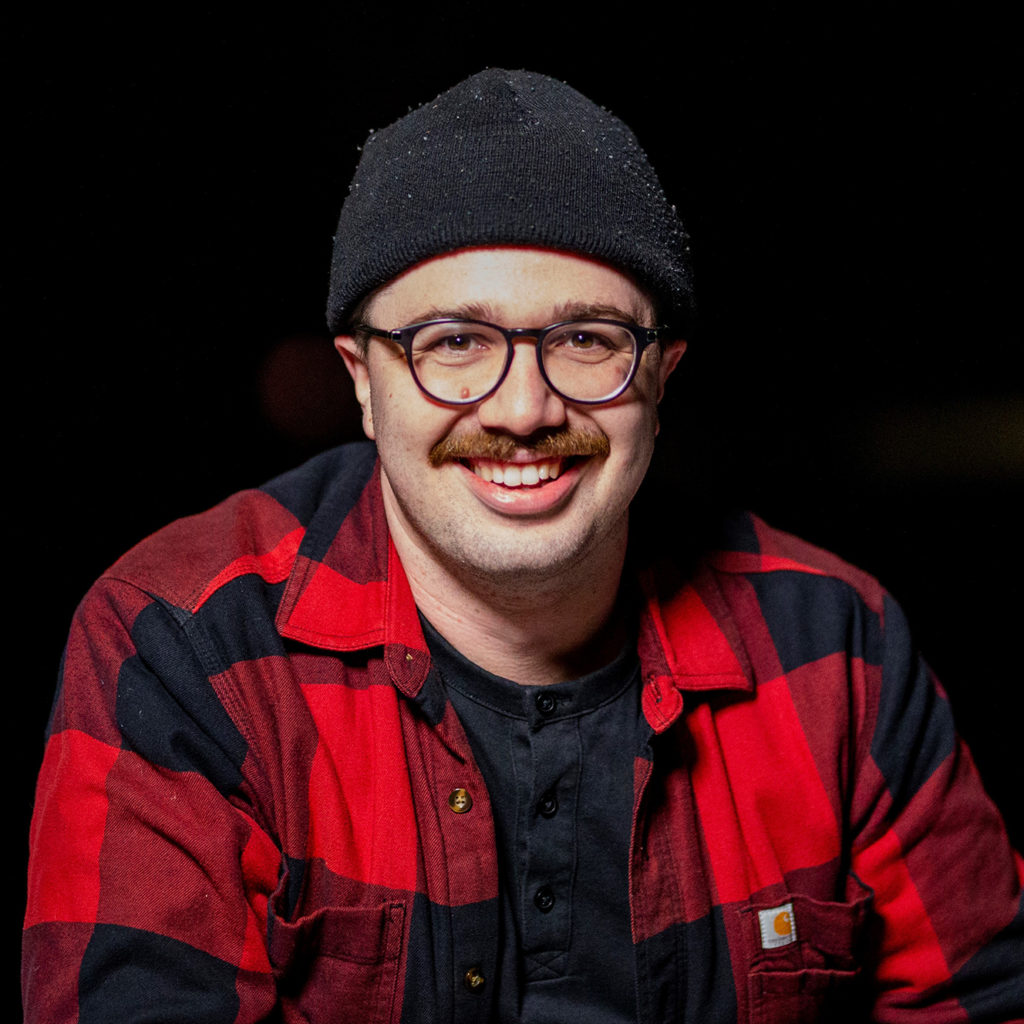
John L Seabloom-Dunne (he/him/his) is a PhD candidate in the English department of the Pennsylvania State University. He specializes in rhetoric and composition with particular emphasis on technical, technological, and ludic rhetorics. His current research lies in the histories and historiographies of anti-institutional and extra-institutional technical communication. In his role as a teacher, John regularly teaches classes on composition and technical communication at PSU’s University Park campus.

Simone C. Drake is the Hazel C. Youngberg Trustees Distinguished Professor of English and African American and African Studies at The Ohio State University. Her interdisciplinary research agenda focuses on how people of African descent in the Americas negotiate the intersections of race, gender, sexuality, class, and nation through the lenses of critical race, gender, and legal studies. She is the author of When We Imagine Grace: Black Men and Subject Making (University of Chicago Press 2016) and Critical Appropriations: African American Women and the Construction of Transnational Identity (Louisiana State University Press 2014, Southern Literary Studies Series); co-editor (with Dwan Henderson) of Are You Entertained?: Black Popular Culture in the Twenty-First Century (Duke University Press 2020); and numerous journal articles and book chapters. Her current book project, Becoming Educated: A Midwest Story of Race and Law, considers the intersection between law, education, visual art, and music that is presented through the lens of memoir and narrative. She consults with local secondary schools and other organizations on curriculum design, pedagogy, and cultural competence. She hopes to learn new ways of incorporating digital media and technology into her teaching, and is particularly hopeful of using these new skills to teach ENGL/AFAMAST 2367.07S: Literacy Narratives of Black Columbus.
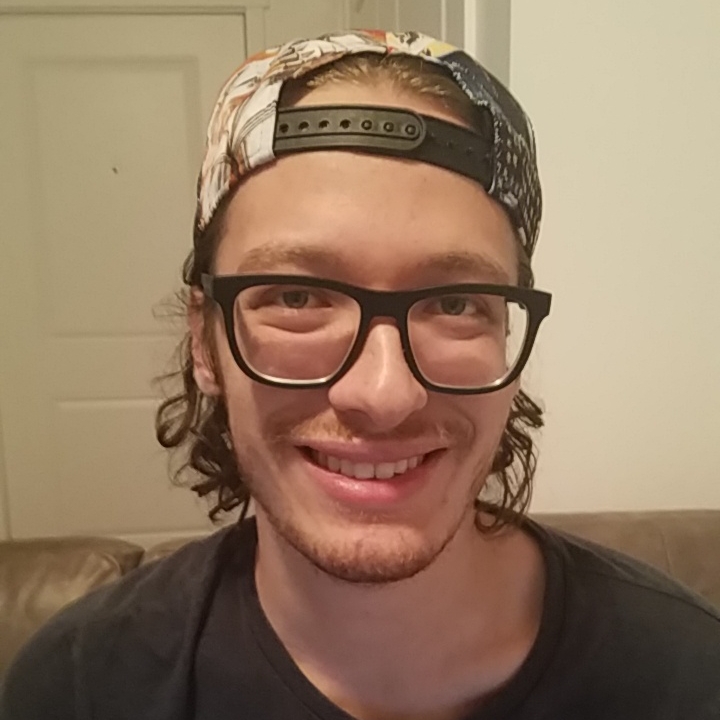
Nic Muranaka graduated from Weber State University in December with a Master’s of English Degree. He helped teach for a digital grant in 2018- 19 that included Adobe suite access for all WSU students and integrated Adobe technology and interpretation of digital media into intro composition courses, a practice he continues today. His thesis project studied digitality as a method for revamping remedial writing programs, arguing that we as instructors should tap into rhetorical familiarity students possess due to their participation in the world of Web 2.0. He argued that this familiarity has generated a class of powerful, rhetorical thinkers simply unfamiliar with the landscape of academia.
Nic has worked as an editor, a tutor, and a teacher for the past six years; in his free time, he likes playing video games, reading comic books, and introducing people to European board games.Attachments area
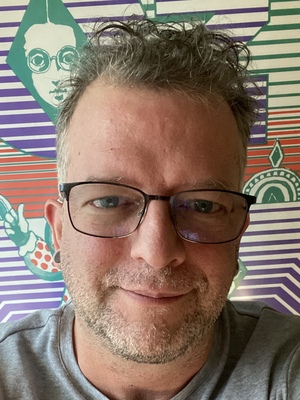
Jared Gardner (he/him; they/them): professor in the English Department and director of the Humanities Institute at OSU. I teach widely in popular culture (film, science fiction, comics, print and media history), and I have been incorporating more digital-first composing projects into his courses at all levels. The initial success with these projects has convinced me I need to up my game pedagogically and technically to ensure that I am constructing and evaluating them in ways that serve the students and the goals of the courses as effectively as possible.

Joseph W. Robertshaw: I think that I have always been interested in Digital composing. I see it as a creative liberation. Primarily I want to refresh my knowledge base on multimodality and digital composing so that I can use it to teach . . . and to teach it. I am teaching a Rhetoric and New media class in the Fall and so I seek ideas for projects and a refreshed theoretical framework that I first developed under Dr. Kristine Blair. Additionally the rest of my online teaching can benefit immensely as I further develop my composing practical skills. Gen z is a quite different sort of student and I hope to improve my understanding of what they need from me in order to learn.
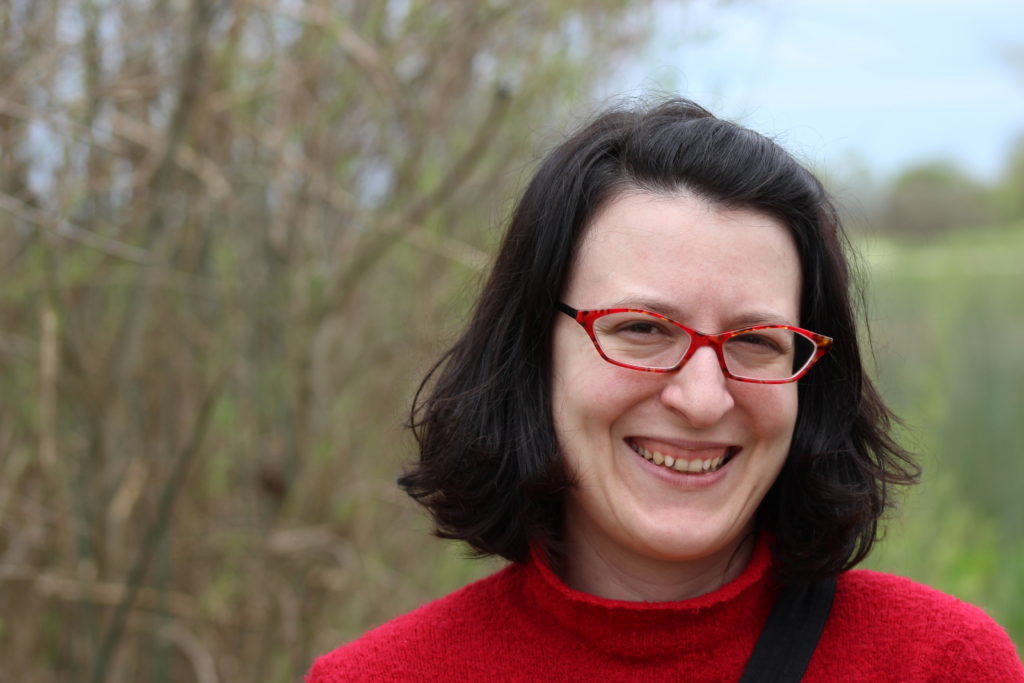
Sarah Faye (she/her) is a continuing lecturer for the University Writing Program at California University, Davis. She teaches upper-division courses in the disciplines and the professions. She is also a PhD student in Technical Communication and Rhetoric at Texas Tech University. Her research interests are in Technical Communication and social justice, and more specifically the use of technical writing by the disenfranchised. She is attending DMAC to investigate how digital composing intersects with her research interests and to improve her digital skills in general and bring them to her classes.
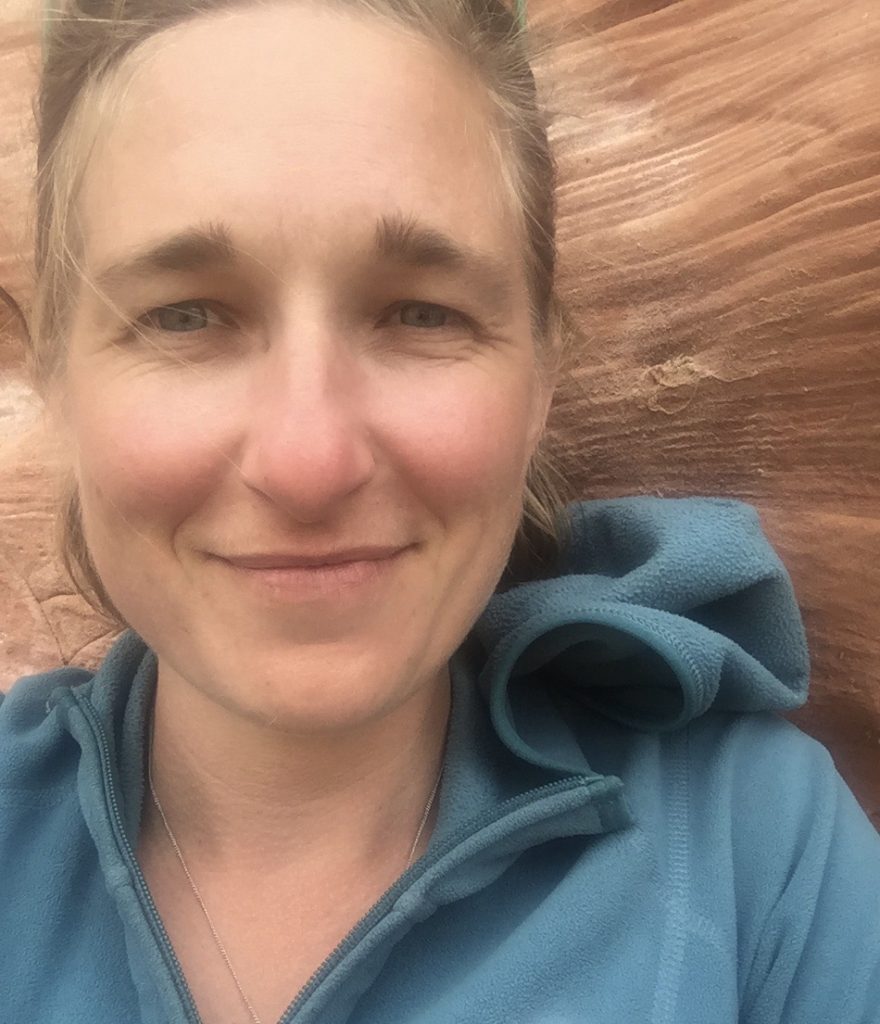
Anicca Cox (she/her/hers): I’m finishing my doctoral program at Michigan State University in writing and rhetoric, where my primary research is about labor equity. My other research work and interests lie in community engagement and inter/cross disciplinary work where I have experience collaborating with visual and performing arts disciplines. This year I’m working to expand my abilities in digital composing both for myself and my students. I am interested in the way creative work and multimodal design tools can intersect with writing pedagogy in digital spaces and composing practices. Outside of academic spaces, I spend as much time as I can outdoors and in my garden.
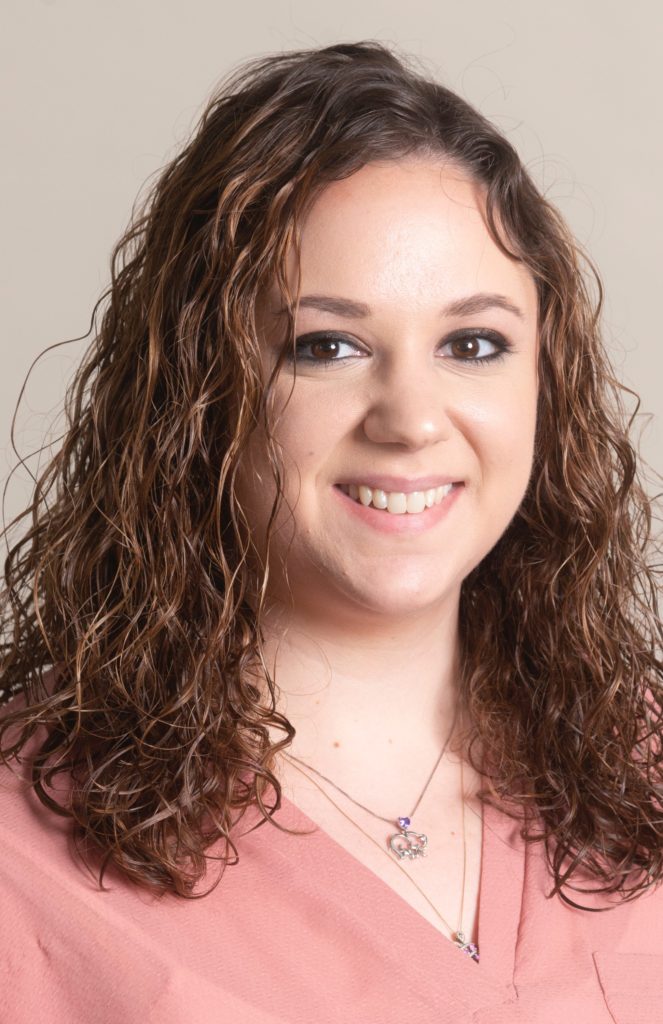
Marina Ellis (she/her): I am a rising fourth year PhD student in the University of Maryland’s Language, Writing, and Rhetoric program. I am currently beginning my dissertation work that examines writing center tutors’ and Spanish speaking students’ dispositions toward literacy and multiliteracies/multimodalities and the way their dispositions affect, or not, the experiences they have in the writing center. Therefore I am attending DMAC to obtain some more useful experiences in digital composing to help with my dissertation research.

Rachel Dortin (she/her/hers) is an Assistant Professor of Writing in the School of Communication at the University of Central Arkansas. Her primary research areas are first-year writing instruction, community-engagement and service learning, and professional and technical communication. In her current research, Rachel is focused on establishing an ecofeminist embodied pedagogy that provides a framework for community engaged teaching and learning that attends to issues of difference productively. She is attending DMAC to strengthen her teaching in the information design sequence and hopes to establish new and innovative strategies for her community partnerships to rely on digital media and composition.
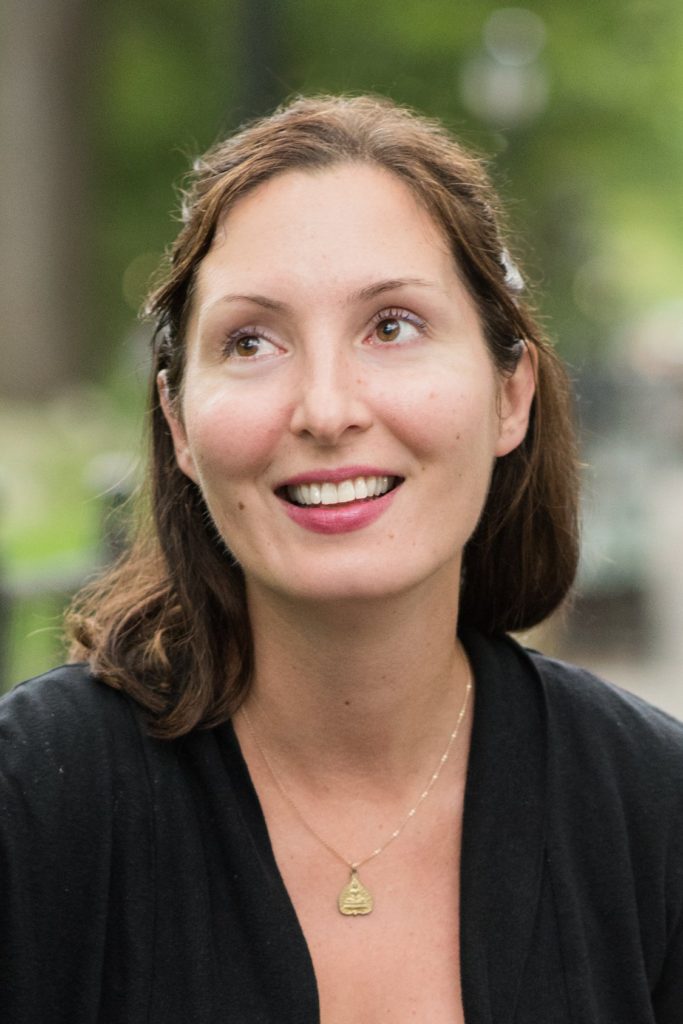
Caroline Hagood is an Assistant Professor of Literature, Writing and Publishing and Director of Undergraduate Writing at St. Francis College in Brooklyn. She has published two books of poetry, Lunatic Speaks (FutureCycle, 2012) and Making Maxine’s Baby (Hanging Loose Press, 2015) and one book-length essay, Ways of Looking at a Woman (Hanging Loose Press, 2019). Her novel, Ghosts of America, is forthcoming from Hanging Loose in 2021. Her current research projects explore the rhetoric of stand-up comedy and innovations in multimodal writing pedagogy.
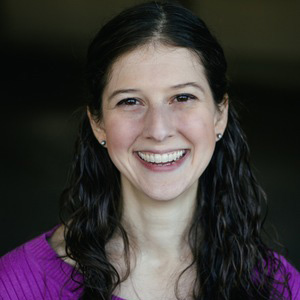
Elizabeth Falter (she/her/hers) is the Digital Media Specialist in the Department of English at The Ohio State University. She manages the Digital Media Project (DMP) and supervises the department’s Communications Team. Much of her work in the DMP involves supporting instructors who are teaching digital composing, so she is excited to get more hands-on experience at DMAC. Her other interests include running (slowly), theatre, and hanging out with her dogs.

Mary McDonald: Hello Everyone, I’m grateful to be in this group because I work daily with all levels of writers and feel I most need to be able to train future composition teachers well in this digital environment; I advise many faculty members as well. I direct the Writing Center and Writing Across the Curriculum Program at Cleveland State University. I don’t feel very confident of my digital skills!
Kind regards, Mary
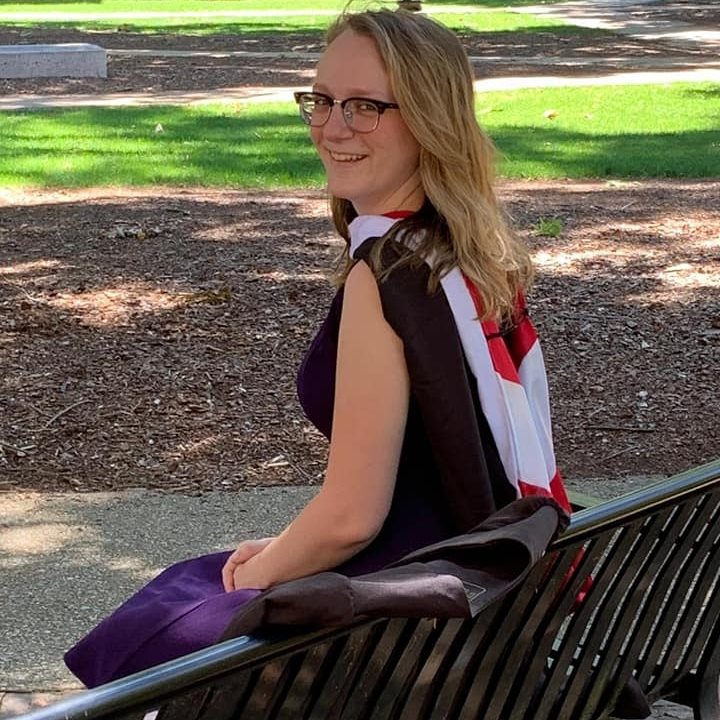
My name is Morgan Beers (she/her/hers). I just finished my first year in OSU’s Rhetoric, Composition, and Literacy PhD program. I completed my Master’s in English Literature at the University of Alabama in 2020 and my B.A. in English Literature and Writing at Lipscomb University in 2018. I am interested in digital rhetorics, queer rhetorics, and public rhetorics. In my free time I enjoy playing video games and board games along with spending time with my lovely cat, Leia. I am attending DMAC to learn more about how I can bring my knowledge and interest in the digital realm into the composition classroom as I begin teaching in the fall.
Anna Bogen: I’ve been teaching writing for over ten years and am so excited about DMAC’s potential to help me reach and engage with more students. I’m also currently a PhD student in rhetoric, composition and literacy at Ohio State, where my research interests center on academic gatekeeping, particularly in open-access institutions. I’m hoping that DMAC will help me gain new digital skills that I can use to challenge existing barriers to student success in first-year writing, especially among those students (problematically) considered “underprepared” for college-level work.
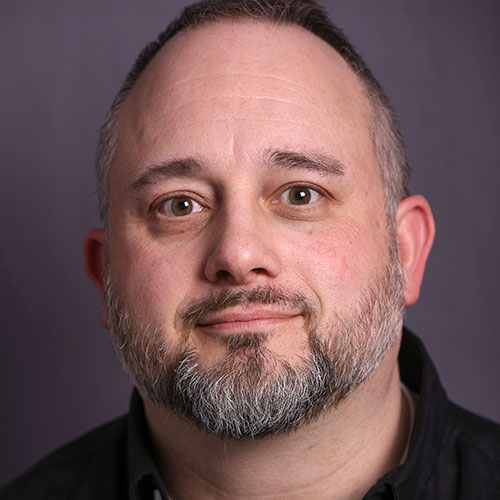
Daniel Tripp (he/him/his) is the Associate Director of Digital Education and the Digital English Studio in the Department of English at Penn State. He supervises the Department’s online courses, runs teacher-training courses in online teaching and digital pedagogy, manages the Penn State Digital English Studio, and serves as a jack-of-all trades for all things digital. His interests include online teaching, digital pedagogy, scholarly multimedia, digital media, graphic design, and UX.
Courtney A. Mauck (she/her) is a PhD candidate in Rhetoric and Composition at Ohio University. She is currently working on her dissertation entitled “Critically Composing Using Snapchat” and expects to finish her degree in Spring 2022. At OU, she serves as Assistant Director of Composition and primarily teaches first-year writing courses. In her teaching, Courtney loves to include multimodal projects and is excited to further develop her skills in digital media and pedagogy by attending DMAC this year.
Angela Laflen (she/her/hers): I am a faculty member in the English department at California State University, Sacramento where I teach undergraduate and graduate professional writing courses and graduate pedagogy and research courses. I am also the Teaching Associate Coordinator for the Writing Program. My interest in digital composing originally grew out of my teaching of professional writing and the need to prepare students to compose new media genres. Over time, I began including multimodal projects in all of my writing courses because of their ability to engage students and because they enable me to foreground digital literacy instruction in my courses. I have also experimented with creating my own scholarly webtexts as a way to present my research. I am interested in attending DMAC to ensure that my practices are up to date and to learn more strategies I can use in my teaching and scholarship.
Jessica Citti (she/her), Ph.D., is a Writing Specialist in the Humboldt State University Learning Center, where she coordinates the Writing Studio and the DHSI Writing Fellows Program. She has fifteen years of experience as a faculty member in composition and rhetoric, as a writing center instructor, and as an academic support administrator. She is attending DMAC to explore her interests in translingualism and multimodalities, digital story-telling, and ways writing centers can support students working on multimodal compositions.
Mary Laughlin, Ph.D.
(she/her/hers)
Assistant Professor of the Practice
Core Writing Program
Department of English
My name is Mary Laughlin (she/her/hers), and I am an assistant professor of the practice at Fairfield University, where I serve as a member of Core Writing and a WAC/WID consultant. My research interests include collaborative authorship practices and plagiarism policies, as well as the pedagogical potential of threshold concepts in first-year writing classrooms. I am excited to have the opportunity to attend DMAC and hope to work on multimodal assignment design and online pedagogy.

Lorise “Rise” Diamond (she, her/them, they) is founder and director of the Linguistic Communication Development Center in San Diego where community needs illuminated by COVID-19 prompted an organizational focus shift to adult digital media literacy. She attends the DMAC Institute to improve her digital media proficiency. She intends to incorporate knowledge gained from this experience into LCD Center programming. Lorise holds a BA in Communication and an MA in Rhetoric and Writing Studies from San Diego State University, and currently searches for a fitting doctoral program.
Rachel Tofteland-Trampe (she/her/hers) is an Assistant Professor in the English Department at Hamline University. She teaches courses in professional writing and rhetoric and first-year writing. Her research focuses on the intersections of digital literacies, multimodality, rhetoric, and professional and technical writing. She’s published on the user experiences of older adults taking computer classes at a community technology center and how the tutors there served as local technical communication experts. Eager to join DMAC, Rachel is looking forward to expanding her technical skills and thinking for her scholarship and teaching around community-based digital projects and critical, creative, and accessible texts.

Lisa Tremain is the Co-Chair of English and Director of the First-year Composition Program at Humboldt State University. Her research considers writing knowledge development and transfer through ecological and linguistic justice perspectives. She is currently leading the Writing Enriched Curriculum pilot at HSU and notices how this work reveals the ways that instructors transfer knowledge about writing and themselves as writers into their pedagogical choices in the disciplinary writing context. She has most recently authored or co-authored chapters for Composition Forum and the collections Next Steps: New Directions for/in Writing About Writing (2019) and (Re)Considering What We Know: Learning Thresholds in Writing, Composition, Rhetoric, and Literacy (2020). She lives in beautiful Arcata, California with her partner, dog, and daughter.
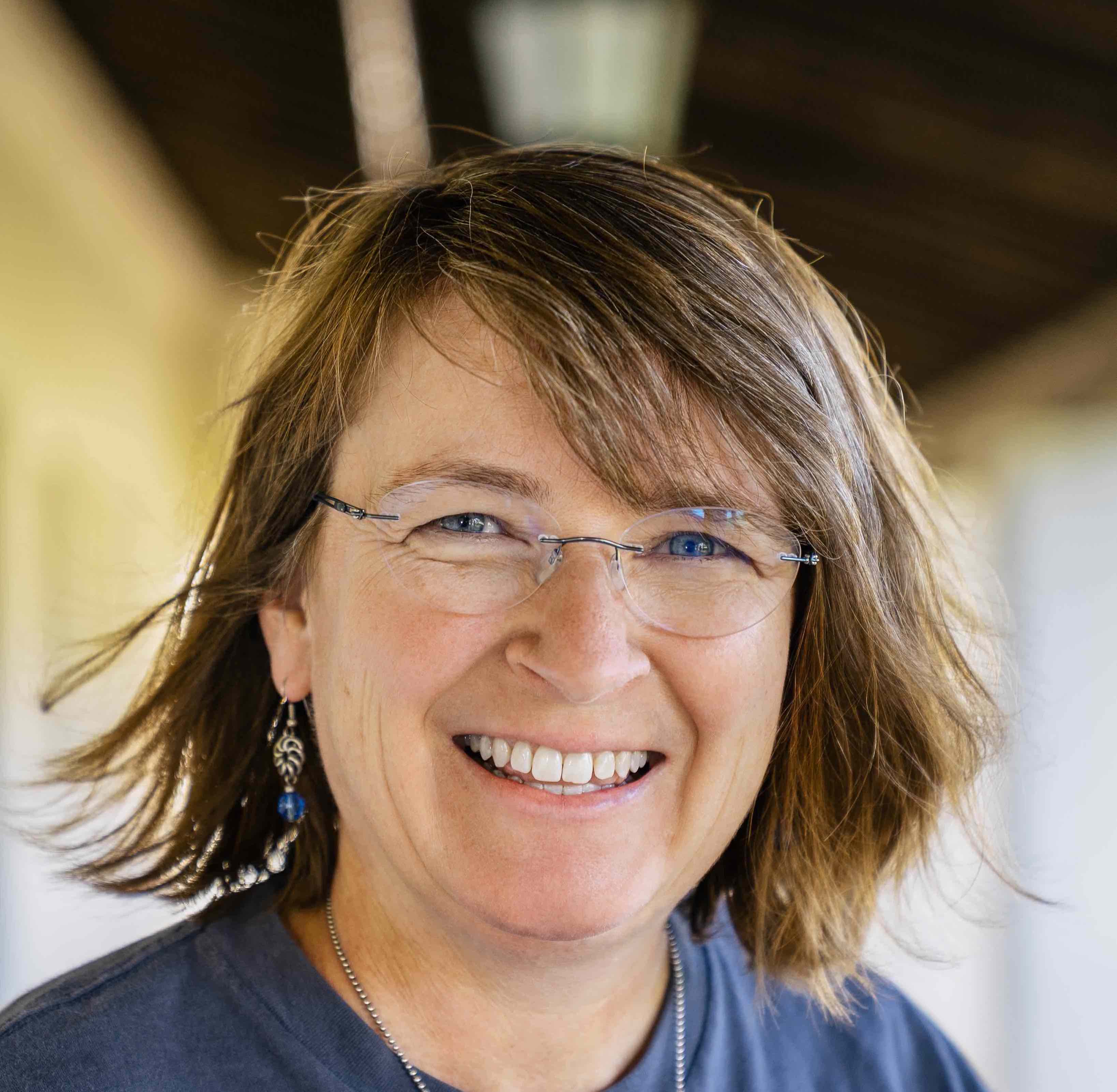
Stacey Stanfield Anderson (she/her, Twitter @andersoncsuci) is an Assistant Professor of English, Composition Director, and Faculty Development Coordinator at California State University Channel Islands (CSUCI) in Camarillo, California, a Hispanic Serving Institution where over 60% of students are the first in their families to attend college. She is participating in the Institute to continue to explore the effective integration of digital media in writing intensives classes (including first year composition, upper division interdisciplinary writing, and professional writing), interdisciplinary scholarly collaborations, and faculty development efforts. She is particularly eager to learn more about user-based design and usability. Stacey’s research has focused on interdisciplinarity, sustainability, equitable teaching and learning conditions, and bridging the gap for underserved students in the transition from high school to college writing. She is committed to fostering a learning environment that helps students build on their cultural capital to become empowered digital citizens and effective communicators.
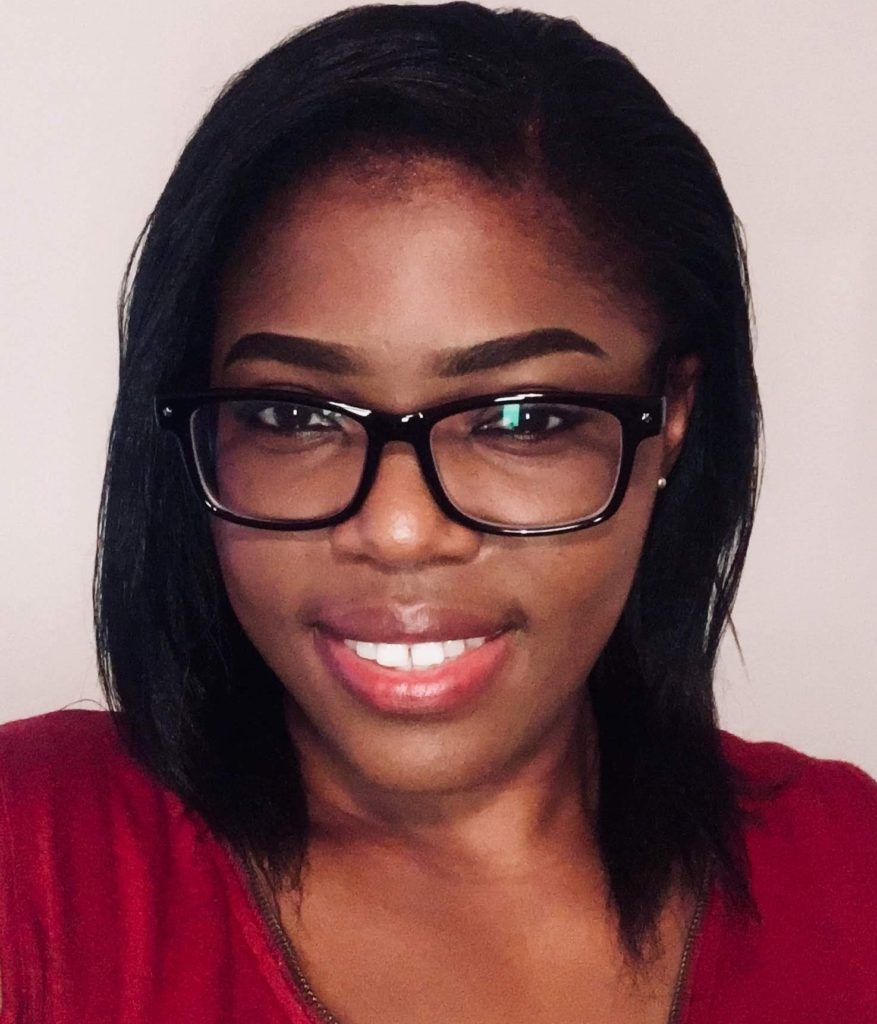
Sidouane Patcha Lum is a Lecturer of Technical Writing at Virginia Tech. Her teaching and research areas are Technical and Professional Writing, Cultural and Digital rhetorics, Transnational Rhetorics, Feminism and Public Life.
By attending DMAC, she hopes to learn more about different digital production software programs/platforms and engage in discussions on accessibility in digital texts and digital pedagogy, which she finds crucial to her teaching and research areas.
Tehmina Pirzada is an Assistant Professor of English at Texas A&M University at Qatar. She completed her PhD in English from Purdue University as a Fulbright fellow in 2017. Her research focuses on postcolonial studies, youth cultures, and the visual and popular cultures of South Asia. Her work has appeared in South Asian Popular Culture, Girlhood Studies: An Interdisciplinary Journal, South Asian Review, and the Journal of Language, Literature, and Culture. She teaches First-Year Writing and Technical Writing to women in engineering.

Heather Lettner-Rust is a committed teacher and classroom researcher as an Associate Professor of English in the Professional Writing program at Longwood University in Farmville, Virginia. She teaches First-Year Composition, Technical Writing, Intro to Rhetorical Studies, the Rhetoric of Apology, and Intro to Digital Writing. Her current book manuscript is a co-authored text delivering a 4- stage pedagogy (the Field Immersion Framework) for experiential learning. This manuscript has been informed by her work with students exploring the stewardship of public lands in Yellowstone National Park, the use and conservation of water resources in the Colorado River Basin, as well as publishing local citizens’ civil rights work in striking for equal educational facilities in 1951 leading to Brown v Board of Education along with the accounts of local citizens involved in the Prince Edward County public school closings to avoid integration from 1959-1964. We just published the fourth volume: Our Legacy: Stories of Prince Edward County, Virginia. Heather earned her BA in English at Mary Washington College, her MA from Old Dominion University, and was a member of the first cohort of the PhD in English program at Old Dominion University.
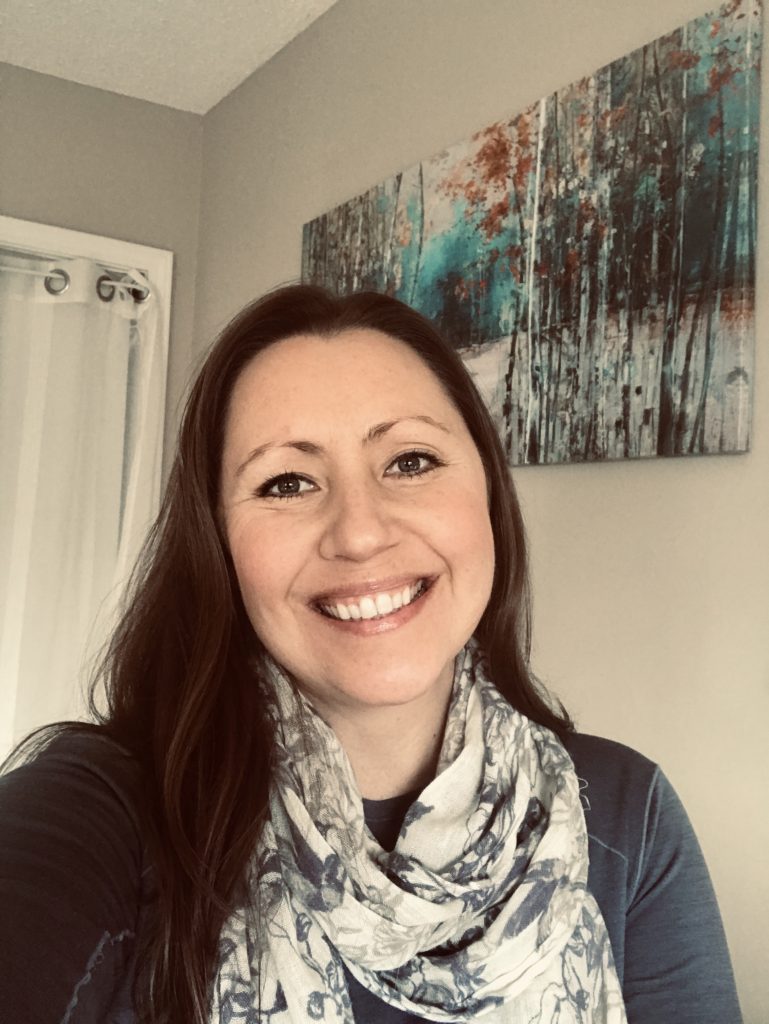
Dr. Lindy Briggette is a Professor of the Practice in Core Writing at Fairfield University in Fairfield, Connecticut. Lindy currently teaches courses in Rhetoric & Composition and supports faculty development in Fairfield’s Writing Across the Curriculum program. Her teaching and research interests intersections of feminist rhetorics and historiography, environmental rhetorics, and fandom studies as well as teaching for transfer using concepts of rhetorical ecology. Lindy has presented at conferences such as FemRhet, RSA, CCCC, and the UConn Conference on Teaching Writing. Her article, “Reading and Writing the Social Swirls of The French Chef: Social Circulation and the Fan Mail of Julia Child” will soon be published in a forthcoming edition of Peitho. Lindy earned a Ph.D. in Rhetoric & Composition from the University of Rhode Island in 2018 and also holds an M.A. in English/Composition from UMass-Boston and an M.S. in Adult Education from the University of Southern Maine.
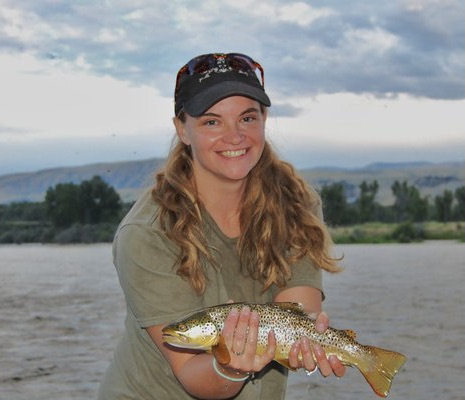
Kelly Massey is the Assistant Director of Core Composition and an Instructor for both core composition and creative writing at Montana State University. Many of her colleagues wish to be more multimodal in curriculum design, so she’s here at DMAC to learn as much as she can to be able to facilitate her colleagues’ curriculums at MSU’s English Department. When she isn’t working for the university she dabbles with Science Fiction and Fantasy. She’s had three short stories published and her Science Fantasy trilogy is with a publisher for edits.
Jagadish Paudel is currently pursuing his Ph.D. in Rhetoric and Composition Studies at The University of Texas at El Paso, US. Having involved in teaching English for ESL learners more than a decade, he has presented his papers at national and international conferences. His areas of interest include social justice pedagogy, digital culture rhetoric, public discourse and non-western rhetoric.
Sean O’Sullivan (he/him): I am an Associate Professor of English at OSU; I am also a Core Faculty member in the Film Studies Program, and a Core Faculty member of Project Narrative. My work and teaching focus primarily on film and television, and I have become increasingly interested in providing opportunities for media-driven projects for my students—especially in lieu of “traditional” final essays. Beyond my pedagogical interest in becoming more technologically literate through DMAC, I am also keen to widen my scholarship to include work not limited to words on a page. In 2018, I attended a two-week NEH-funded workshop on the (relatively) new form of the video essay, and I would like to expand my knowledge of digital tools and learning methods to see how I can develop existing and future videographic projects.

Katelyn Lusher (she/they) is a PhD candidate in Rhetoric and Composition at the University of Cincinnati. Her research centers around circulation and community activism. As part of her dissertation, she has created a digital archive for the Cincinnati street paper Streetvibes, which has been published by the Greater Cincinnati Homeless Coalition since 1997. She is attending DMAC to further build on the archive and work on its accessibility. When she’s not working on her dissertation she loves to cook, hike, sew, and visit breweries with her husband.
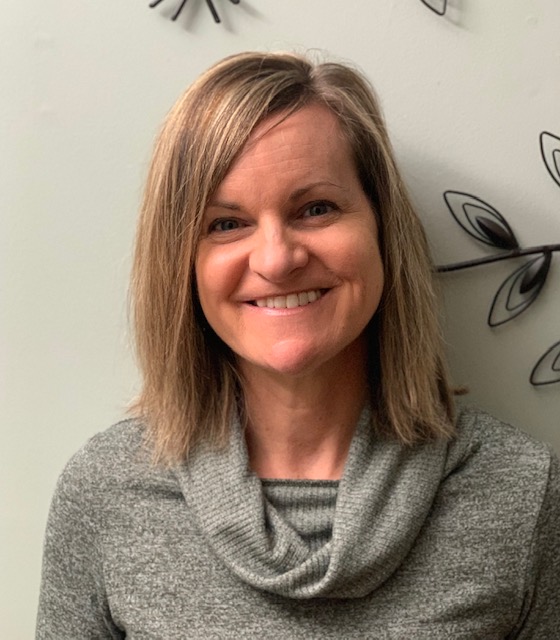
Jenny Patton (she, her, hers) is a Senior Lecturer at OSU who teaches courses in the Minor in Professional Writing program and other English classes. Her fall-term Career (Life) Preparation for Humanities Majors class will switch from in-person class meetings to an online asynchronous format, so she’s looking forward to learning how to make engaging videos and digital media materials for that course. A Mayo Clinic-certified wellness coach and lifelong journaler, she has posted Sunday Journal Prompts on her journaling blog (journalingwithjenny.com) for six years and hopes to create videos for a related YouTube channel for people interested in the health benefits of journaling.